Understanding the Role of Plumbing in Home Design
Plumbing is often seen as a functional aspect of home construction and renovation, but its role in home design is far more complex and significant. This article explores how plumbing integrates with overall design, influences aesthetics, and contributes to the functionality of living spaces.
Understanding the Basics
Plumbing systems are essential for providing water supply and drainage in any home. According to industry experts, the integration of plumbing into home design should not just be an afterthought. Instead, it needs to be a detailed part of the planning process, as it can affect the usability and comfort of spaces. Good design typically considers both visual appeal and practical functionality.

"Incorporating plumbing into the initial design phase allows for a more cohesive and efficient home layout." - Home Design Expert
The Impact of Plumbing on Aesthetics
Plumbing fixtures can significantly influence the overall aesthetics of a home. Many users report that choosing high-quality fixtures not only adds visual appeal but also enhances the durability of the plumbing system. Here are some key considerations:
- Fixture Selection: Experts recommend selecting fixtures that complement the home's style, whether it's modern, traditional, or something in between.
- Color and Material: The materials used in plumbing, such as brass, chrome, or stainless steel, can offer different aesthetic qualities. Research indicates that the right material choice can elevate the perceived value of a space.
- Integration with Design Elements: Plumbing should be designed to blend seamlessly with elements like cabinetry and countertops. This typically involves working closely with designers and plumbers during the renovation process.
Practical Application of Plumbing in Home Design
When planning your home design, consider the following practical applications of plumbing:
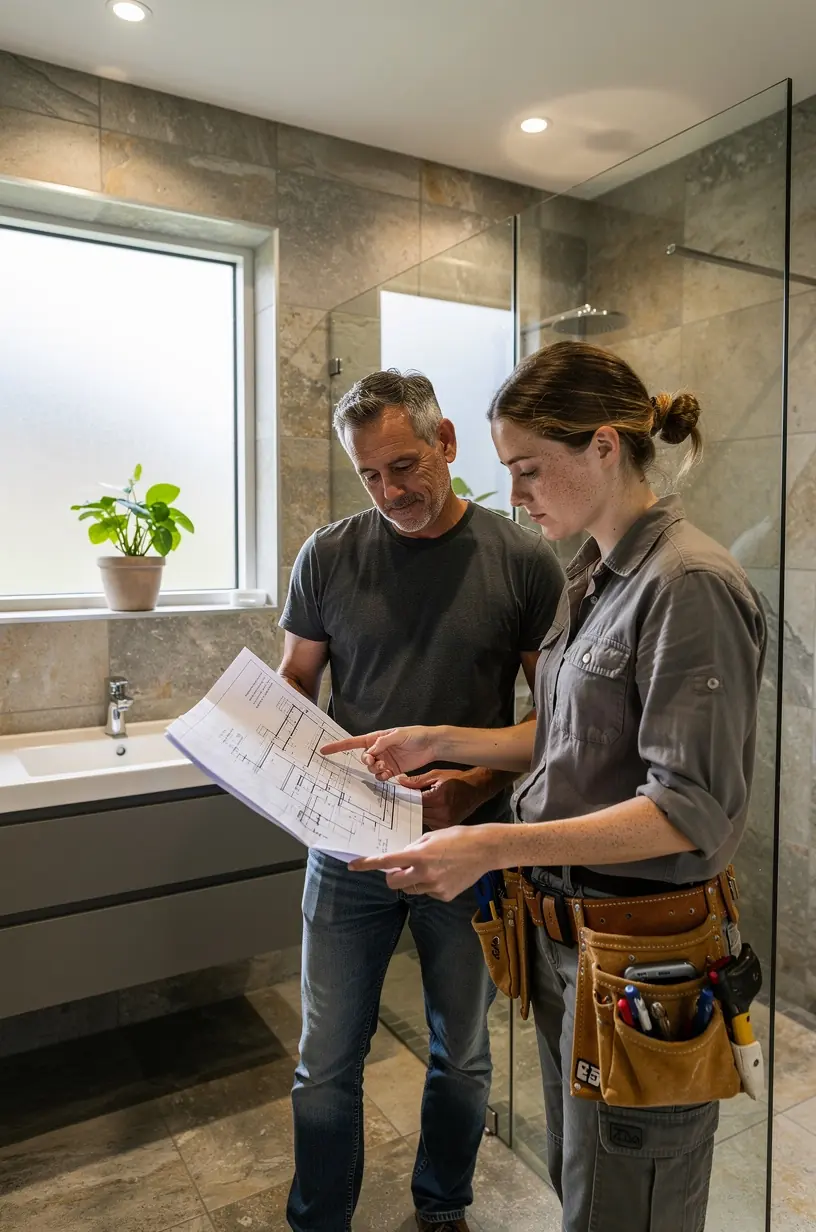
- Layout Planning: Effective plumbing layout requires a thorough understanding of how water flows through your home. This often involves creating a blueprint that considers both the kitchen and bathroom placements for optimal efficiency.
- Water Efficiency: Incorporating water-saving fixtures can significantly reduce water usage. According to environmental studies, using low-flow toilets and faucets can save households approximately 20% on their water bills.
- Future-Proofing: Designing with future needs in mind is essential. This may involve installing additional plumbing lines for potential expansions, such as adding a bathroom or laundry area.
Conclusion
In conclusion, plumbing plays a crucial role in home design that goes beyond mere functionality. By understanding its impact on aesthetics and practicality, homeowners can make informed decisions that enhance their living spaces. While the integration of plumbing in design may require careful planning and collaboration with professionals, the benefits in terms of efficiency and aesthetic appeal are well worth the effort.
Investing time in plumbing considerations during the design phase can lead to a more cohesive and enjoyable home, ultimately improving both the functionality and beauty of your living environment.
Learn More