Exploring Sustainable Design in Home Renovations
As homeowners increasingly prioritize eco-friendly practices, sustainable design in home renovations has gained significant attention. This article explores the principles of sustainable design and its practical applications, providing insights for homeowners in the Czech Republic considering home improvements.
Understanding Sustainable Design
Sustainable design refers to the practice of creating structures and spaces that minimize negative environmental impact. According to industry experts, sustainable design can lead to reduced energy consumption, improved indoor air quality, and increased resource efficiency. This approach is based on the principles of reduce, reuse, and recycle, aiming to create a harmonious relationship between built environments and natural ecosystems.
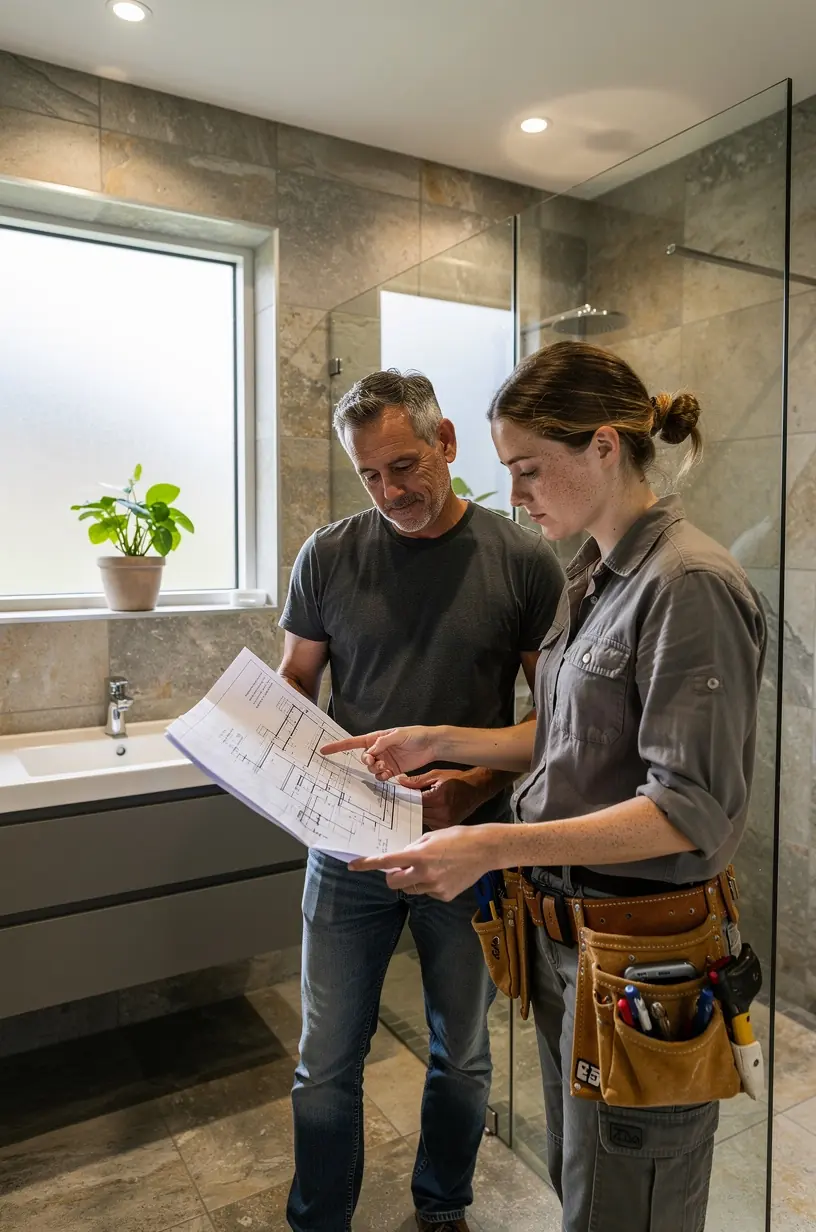
"Sustainable design is not just about using eco-friendly materials; it’s about creating spaces that contribute positively to the environment and society." - Green Building Council
Key Elements of Sustainable Home Renovations
When considering sustainable renovations, it's essential to focus on several key aspects:
- Energy Efficiency: Implementing energy-efficient systems, such as LED lighting and energy-efficient appliances, can significantly reduce energy consumption. Research indicates that homes equipped with such technologies may see energy savings of 10-30%.
- Eco-friendly Materials: Many users report that using reclaimed wood, bamboo, or recycled materials in renovations can not only enhance aesthetics but also reduce demand for new resources. These materials often have a lower carbon footprint.
- Water Conservation: Installing low-flow fixtures and rainwater harvesting systems can help conserve water. In fact, studies suggest that water-efficient devices can reduce water usage by up to 50% in residential properties.
Practical Steps for Homeowners
To incorporate sustainable design into your home renovation, consider the following steps:
- Assess Current Practices: Evaluate your home’s current energy and water consumption. This typically takes 1-2 days and provides a baseline for improvement.
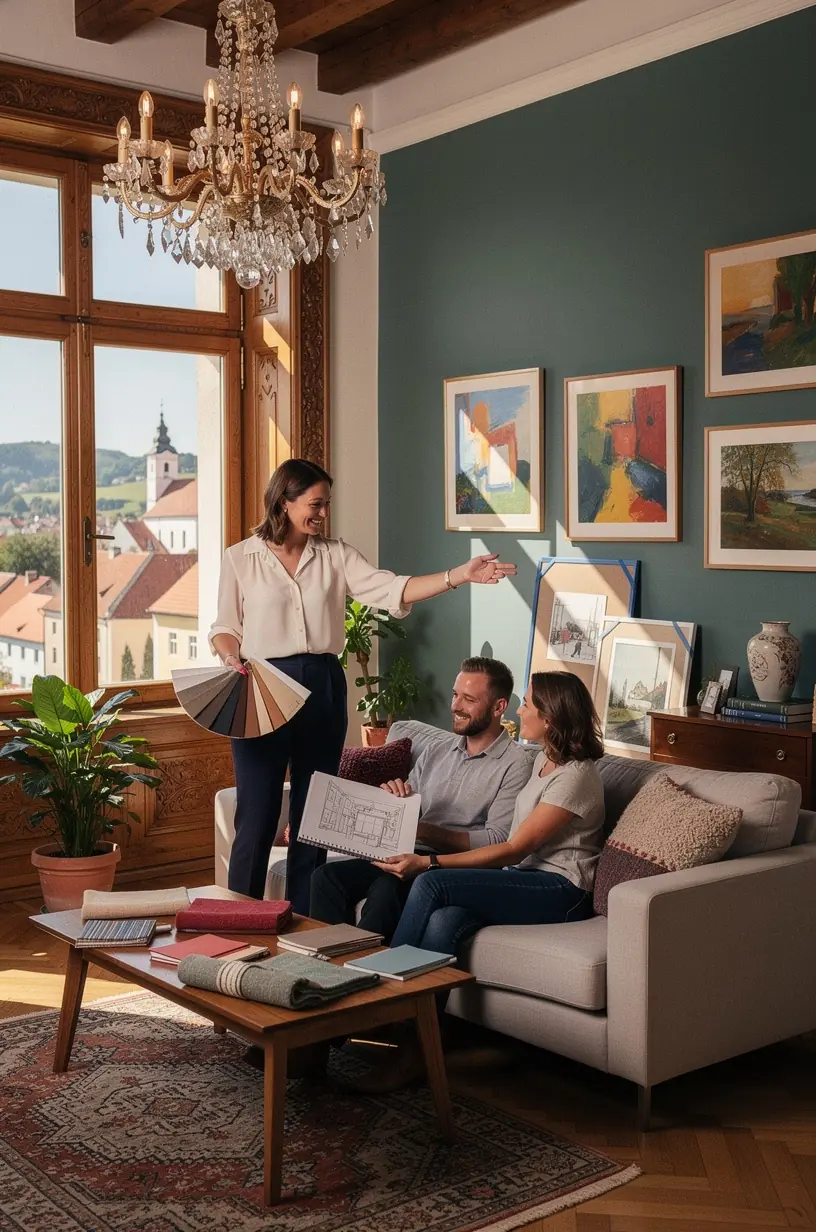
- Research Options: Look into sustainable materials and systems that fit your renovation plans. Many homeowners find that consulting with design professionals who specialize in sustainable practices can provide valuable insights.
- Implement Changes Gradually: While significant renovations can be costly, many users report success by implementing changes in phases. This allows for manageable financial investments and adjustments over time.
Challenges and Considerations
While sustainable renovations offer numerous benefits, there are challenges to consider. For instance, some sustainable materials may have higher upfront costs, and certain energy-efficient systems can require professional installation. Moreover, achieving optimal results often necessitates a commitment to ongoing maintenance and education about new technologies.
Conclusion
Incorporating sustainable design principles into home renovations is not only beneficial for the environment but can also enhance your living space significantly. By understanding the basics of sustainable practices and taking practical steps, homeowners in the Czech Republic can create spaces that are both beautiful and eco-friendly. Remember that sustainable design is a journey, often requiring ongoing commitment and adaptation.
Learn More