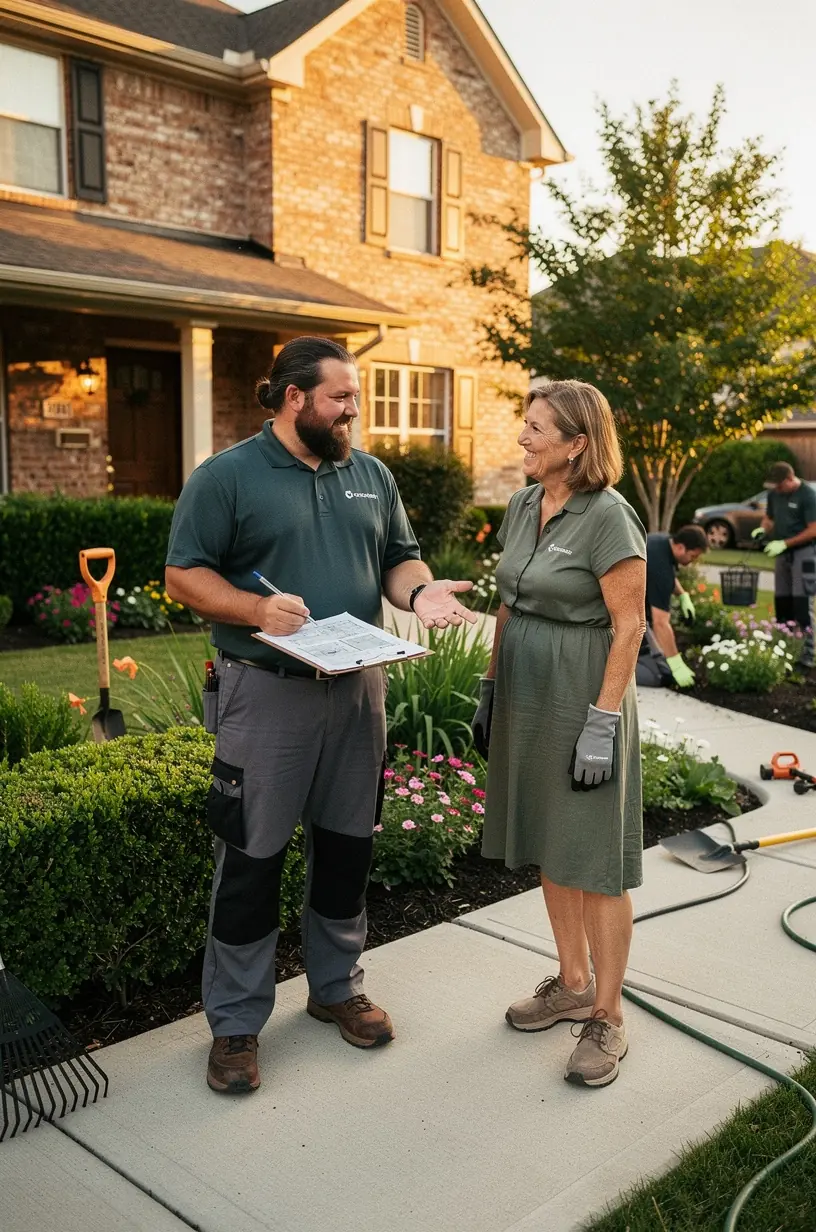
Navigating Offline Coordination in Home Services
In the world of home services, effective offline coordination is crucial for delivering seamless plumbing, design, and maintenance solutions. This article explores how combining these services can enhance customer experience while navigating the complexities of coordination.
Understanding the Importance of Offline Coordination
Offline coordination refers to the systematic management of various home service tasks, which often involves multiple contractors and service providers. Many users report that this approach leads to improved communication and efficiency. According to industry experts, establishing a clear line of communication and a well-organized schedule can enhance service delivery by up to 30% in similar contexts.

"Effective offline coordination can significantly reduce project delays and increase overall satisfaction among clients." - Home Services Expert
Key Components of Successful Coordination
To effectively coordinate home services, consider the following components:
- Clear Communication: Consistent updates between homeowners and service providers can help clarify expectations and address issues promptly. Research indicates that effective communication strategies can foster trust and minimize misunderstandings.
- Scheduling and Planning: A well-structured timeline is essential. Experts recommend allocating specific timeframes for each stage of the project, as this allows for better resource management and helps avoid overlaps or delays.
- Integration of Services: Combining plumbing, design, and maintenance services under one umbrella can simplify the process for homeowners. Many service agencies report that this integration often leads to better project outcomes and customer satisfaction.
Challenges to Consider
While offline coordination can bring numerous benefits, it is important to acknowledge certain challenges:
- Time Commitment: Typically, effective coordination requires a commitment of 2-4 weeks for planning and execution. Homeowners must be prepared to invest time into the coordination process, which may involve multiple meetings and check-ins.
- Learning Curve: Familiarizing oneself with various service providers and their processes can take time. In most cases, homeowners may need to learn about different craftsmanship, timelines, and quality standards.
- Dependence on Multiple Contractors: Coordinating multiple service providers can sometimes lead to complications. It is essential to choose reliable contractors, as their performance directly impacts the overall project.
Steps to Enhance Offline Coordination
To navigate the challenges of offline coordination effectively, consider implementing these actionable steps:
- Research Service Providers: Look for established service agencies that specialize in integrated solutions. Reviews and testimonials can provide insights into their effectiveness and reliability.
- Develop a Detailed Plan: Outline the scope of work, timelines, and expectations. This plan should be communicated clearly to all parties involved to ensure everyone is aligned.
- Regular Check-ins: Schedule weekly or bi-weekly meetings to assess progress and address any issues that may arise. This proactive approach can help mitigate potential problems before they escalate.
Conclusion
Navigating offline coordination in home services may seem challenging, but with proper planning and execution, it can lead to highly effective results. By focusing on clear communication, scheduling, and integrating services, homeowners can enhance their overall experience. Remember, while challenges exist, the benefits of well-coordinated services can lead to a more satisfying and efficient home service journey.
Learn More