Understanding the Intersection of Design and Functionality
In today’s fast-paced world, the integration of design and functionality is crucial for home service agencies, particularly those specializing in plumbing, design, and maintenance solutions. This article explores how these two elements intersect, providing insights that can enhance both aesthetic appeal and practical use.
Understanding the Basics
Design and functionality are often seen as separate entities. However, research indicates that a harmonious blend of the two can lead to more effective solutions in home services. Experts in the field suggest that effective design should not only captivate but also serve a purpose, enhancing the usability of spaces.
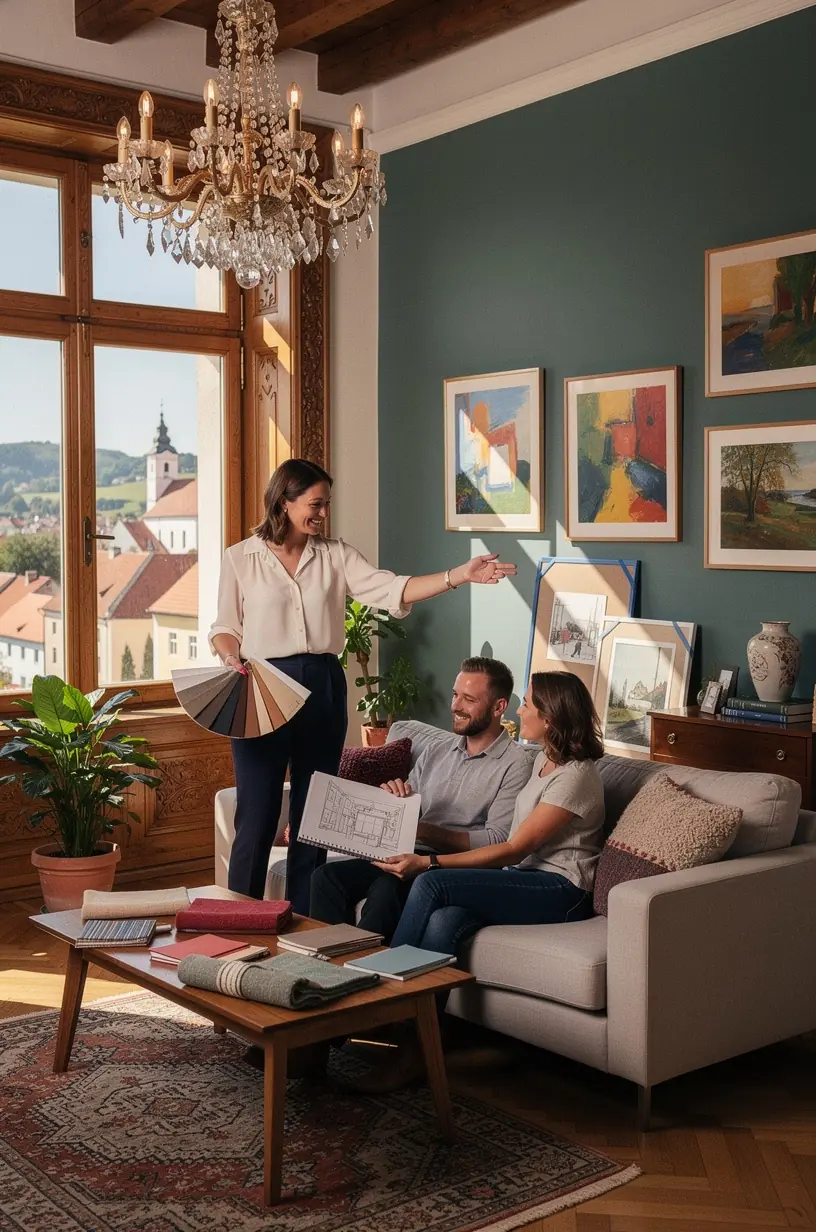
"A well-designed space can significantly improve user experience while meeting practical needs," says interior designer Laura Mitchell.
Why Design Matters in Home Services
When considering home services, particularly in plumbing and maintenance, aesthetics often play a secondary role to functionality. However, many users report that a visually appealing environment can improve satisfaction and even productivity. This works because people are more likely to enjoy and engage with spaces that are thoughtfully designed.
Key Principles of Integrating Design and Functionality
- Usability: Design should prioritize how spaces are used. For example, a well-planned kitchen layout can make cooking more efficient.
- Durability: Functional elements, such as plumbing fixtures, should not only look good but also withstand daily wear and tear.
- Accessibility: Design that considers the needs of all users, including those with disabilities, is now a standard practice in the industry.
Practical Application
Combining design with functionality involves several key steps:
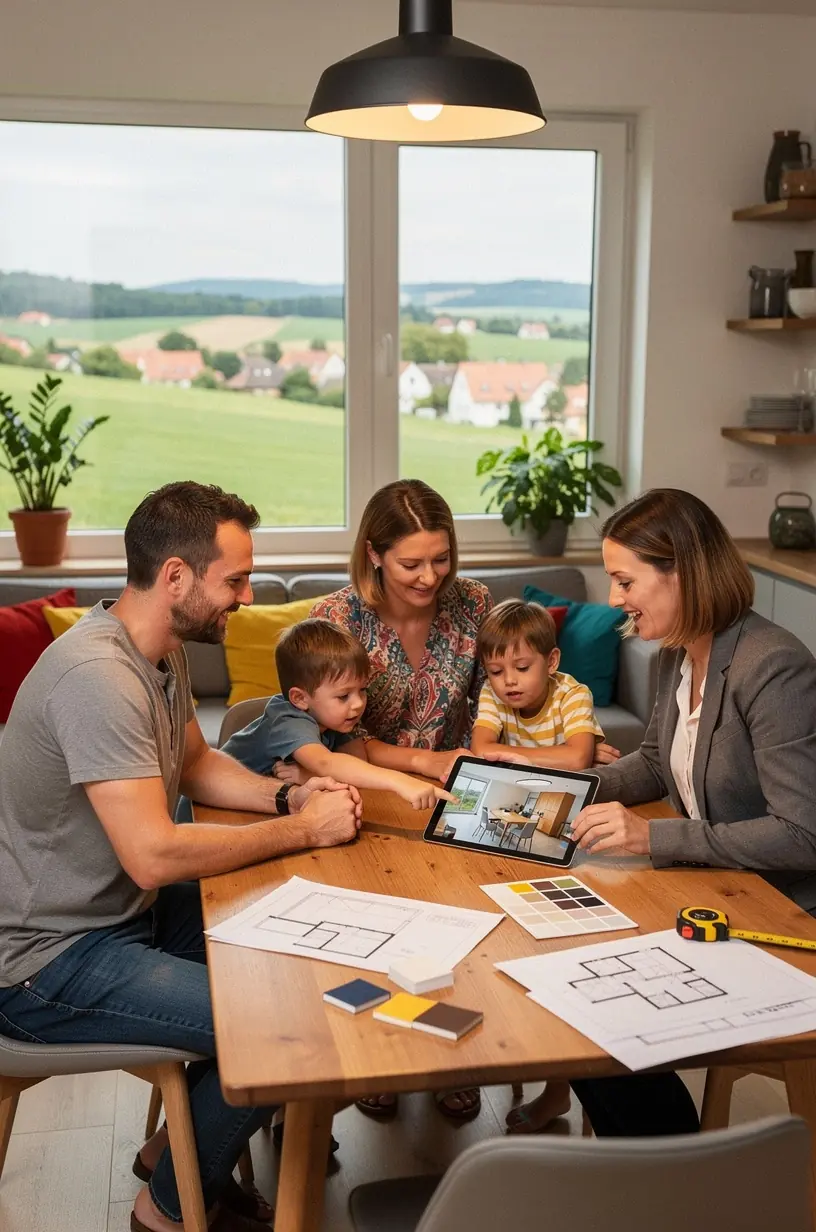
- Assessment: Begin by assessing the needs of the space and its users. This typically takes 1-2 weeks to gather feedback and understand requirements.
- Collaboration: Engage with professionals from both design and plumbing backgrounds to ensure all aspects are considered. Many experts recommend a collaborative approach to maximize effectiveness.
- Implementation: Execute the plan with attention to detail, ensuring that both design and functionality are maintained throughout the process.
Challenges and Limitations
While integrating design and functionality can yield positive results, it is essential to acknowledge certain limitations. Achieving a perfect balance may require additional time and resources. Often, projects can take longer than initially expected, especially when coordinating between different contractors. According to industry standards, projects of this nature may take 4-8 weeks, depending on complexity.
Conclusion
In conclusion, understanding the intersection of design and functionality is vital for anyone involved in home services. By focusing on usability, durability, and accessibility, service agencies can create more effective solutions that satisfy both aesthetic and practical needs. As you plan your next home improvement project, remember that a thoughtful approach to design can enhance both the beauty and functionality of your space.
Learn More