How to Choose the Right Home Service Provider
Selecting the right home service provider can be a daunting task, especially when considering the combination of plumbing, design, and maintenance solutions. This guide aims to provide practical insights to help you make an informed choice, ensuring your needs are met efficiently and effectively.
Understanding Your Needs
Before you start looking for a home service provider, it's essential to clearly define your specific needs. Research indicates that understanding what services you require can lead to a more streamlined selection process. Typical needs might include plumbing repairs, design consultations, or ongoing maintenance. Here’s how to approach this:
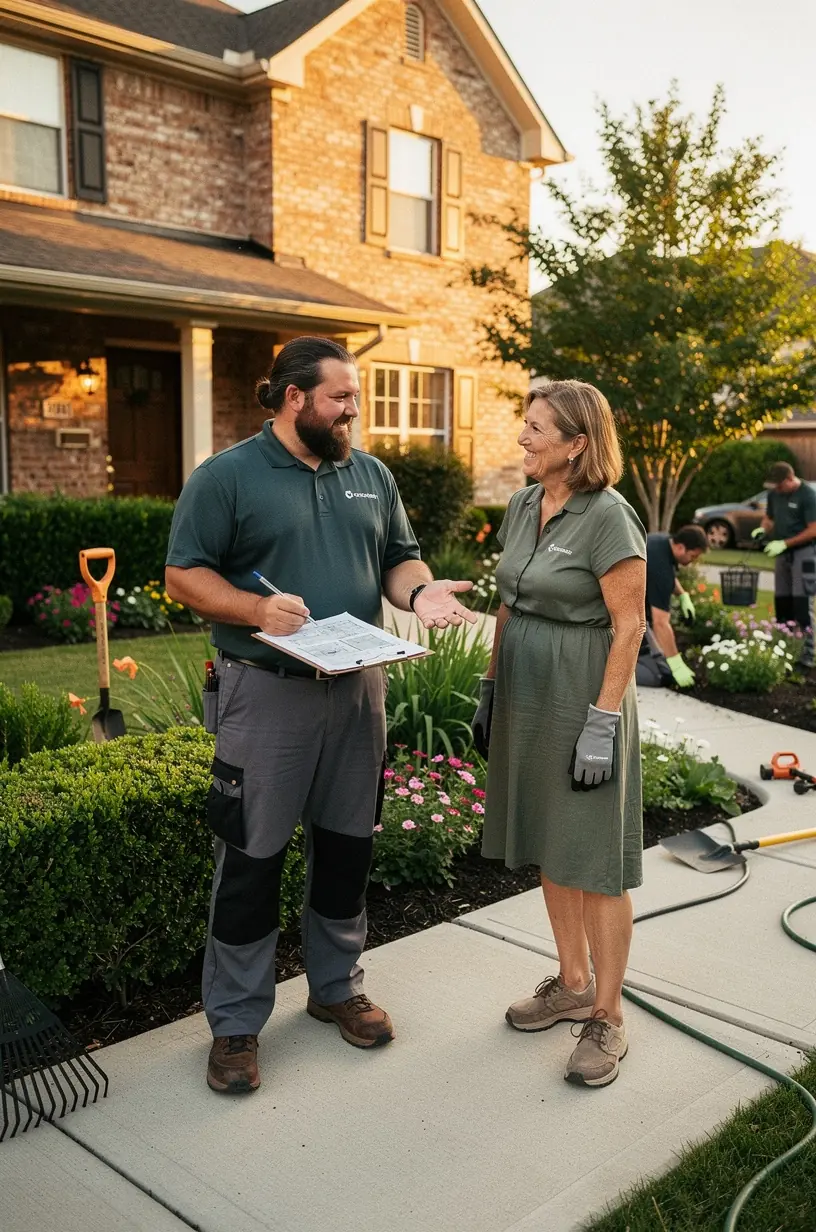
- Assess Your Situation: Identify the problems at hand—are you dealing with a leaky faucet, a kitchen remodel, or a furnace maintenance issue?
- Prioritize Tasks: Determine which tasks are urgent and which can wait. This helps narrow down the types of services you will seek.
- Set a Budget: Have a realistic budget in mind, keeping in mind that quality service may require a higher investment.
Researching Potential Providers
Once you have a clear understanding of your needs, the next step is to research potential providers. According to recent surveys, many users report that taking time to research can significantly enhance satisfaction with the chosen service. Here are some tips:
- Check Reviews: Look for customer feedback on platforms like Google, Yelp, or localized services. Positive reviews often indicate reliability.
- Ask for Recommendations: Consult friends, family, or neighbors who have had similar work done. Personal experiences can provide valuable insights.
- Review Portfolios: If design services are required, reviewing a provider's previous work can help gauge their capabilities.
Evaluating Credentials and Expertise
After narrowing down your options, it’s crucial to evaluate the credentials and expertise of each provider. Industry experts suggest that ensuring your provider is licensed and insured can protect you from potential liabilities. Here’s what to consider:
- Licensing and Insurance: Verify that the service provider holds the necessary licenses for their trade. This is often a requirement for compliance with local regulations.
- Experience Level: Inquire about how long the company has been in business and the experience of their technicians or designers.
- Specializations: Understand whether the provider specializes in the specific service you need or if they offer a broad range of services.
Communicating Clearly
Effective communication is key to ensuring that your expectations are met. A study by the American Society of Home Inspectors indicates that clear communication can improve project outcomes significantly. Here are some communication tips:
- Ask Questions: Don’t hesitate to ask about their processes, timelines, and what to expect during the project.
- Discuss Estimates: Request detailed estimates that outline costs for labor, materials, and any potential additional fees.
- Clarify Timelines: Settle on a realistic timeline for your project to align your expectations and the provider’s delivery.
Conclusion
Choosing the right home service provider is a process that requires thoughtful consideration and research. By understanding your needs, conducting thorough research, evaluating credentials, and ensuring clear communication, you can significantly improve your chances of a successful outcome. Remember, though the process may take time, investing effort upfront can lead to satisfying results in the long run. Always prioritize reliability and quality to ensure your home service needs are effectively met.
Learn More